May 4, 2026
The Most Common Mistakes Homeowners Make During Renovations
Tags
Home Renovation London
Interior Design London
Residential Design and Build
… And How to Avoid Them
Renovating a home is an exciting process, but it is also one of the biggest investments many homeowners will make. Whether it is a full refurbishment, an extension, or simply reworking the layout of an existing space, a successful renovation depends on much more than good aesthetics alone.
Over the years, we have seen that many of the challenges homeowners face during renovations are not caused by the construction itself, but by decisions made at the very beginning of the process. Small oversights early on can lead to delays, unexpected costs, and unnecessary stress later.
At RVA, we believe good design should make the renovation process feel clear and well managed from start to finish. Here are some of the most common mistakes homeowners make and how they can be avoided.
Beginning Without a Clear Plan
One of the biggest mistakes is starting too quickly without properly defining the project. Many homeowners begin construction with only a rough idea of what they want, assuming decisions can be made along the way.
In reality, unclear planning often leads to design changes during construction, which can quickly affect both budgets and timelines.
A successful renovation starts with a clear vision. This includes understanding how the space should function, how rooms connect, what atmosphere the home should create, and how the design supports everyday living. Taking time to resolve these questions early almost always leads to a smoother project overall.
Underestimating the Budget
Budgeting is another area where homeowners often encounter difficulties. Construction costs are only one part of the equation. Planning applications, structural work, bespoke joinery, lighting, finishes, and unforeseen site conditions can all influence the final cost of a project.
Older London properties in particular can reveal hidden complications once work begins, especially in period homes or listed buildings.
A realistic budget should always include a contingency for unexpected issues. Working with an experienced design team from the outset also helps establish clearer cost expectations before construction begins.
Prioritising Appearance Over Function
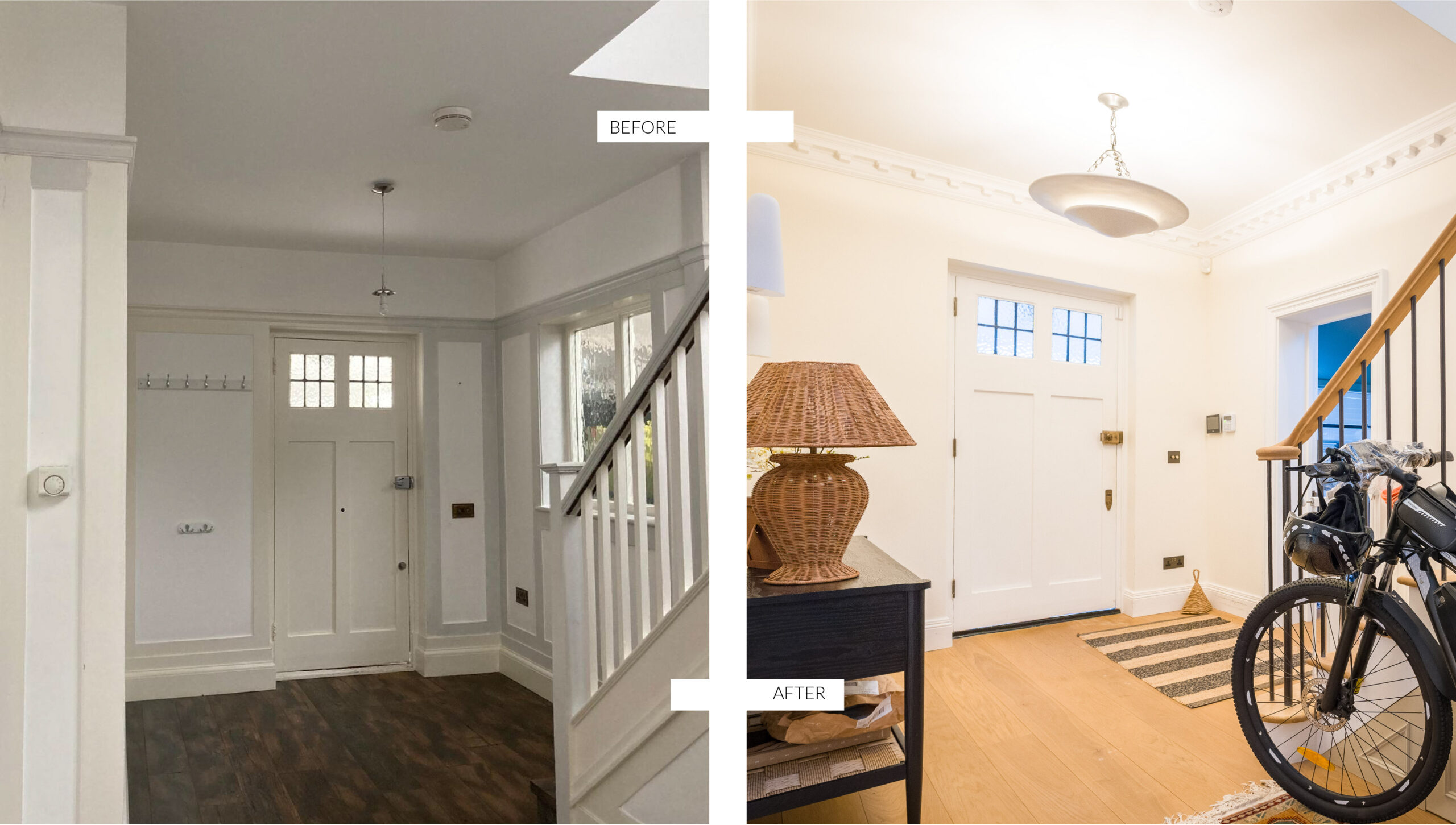
Beautiful interiors are important, but good design is ultimately about how a space feels and functions day to day.
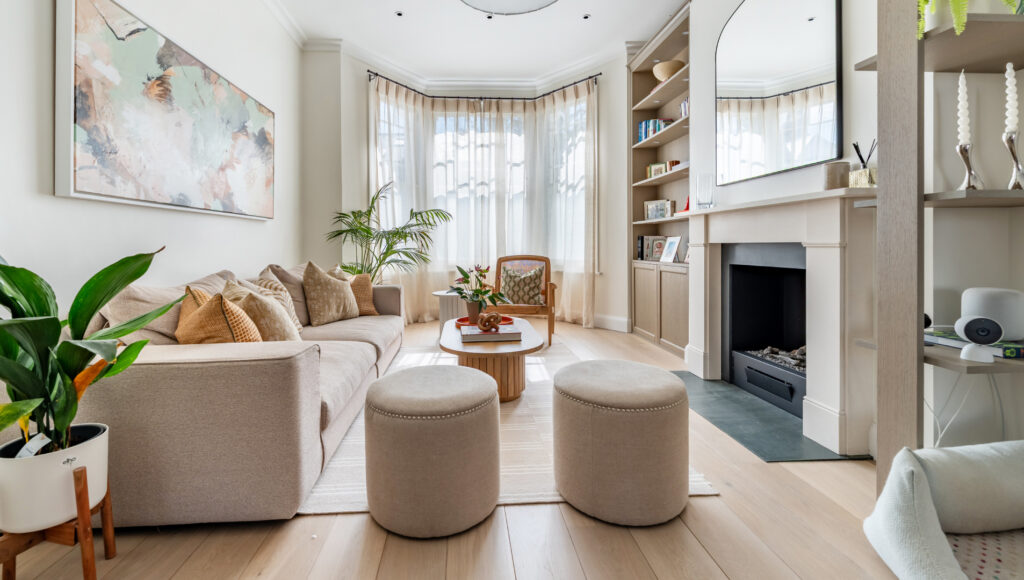
A renovation should improve the way people live within the home, not simply how it looks in photographs. Natural light, circulation, storage, proportions, and practicality are just as important as finishes and furniture.
Some of the most successful projects are often the simplest, where every design decision has been carefully considered in relation to the client’s lifestyle.
Making Too Many Changes During Construction
It is natural for ideas to evolve during a renovation, but constant changes once construction has started can create significant disruption.
Late changes often affect multiple parts of the project simultaneously, including layouts, structural work, electrical planning, and finishes. This can lead to delays, additional costs, and unnecessary complications on site.
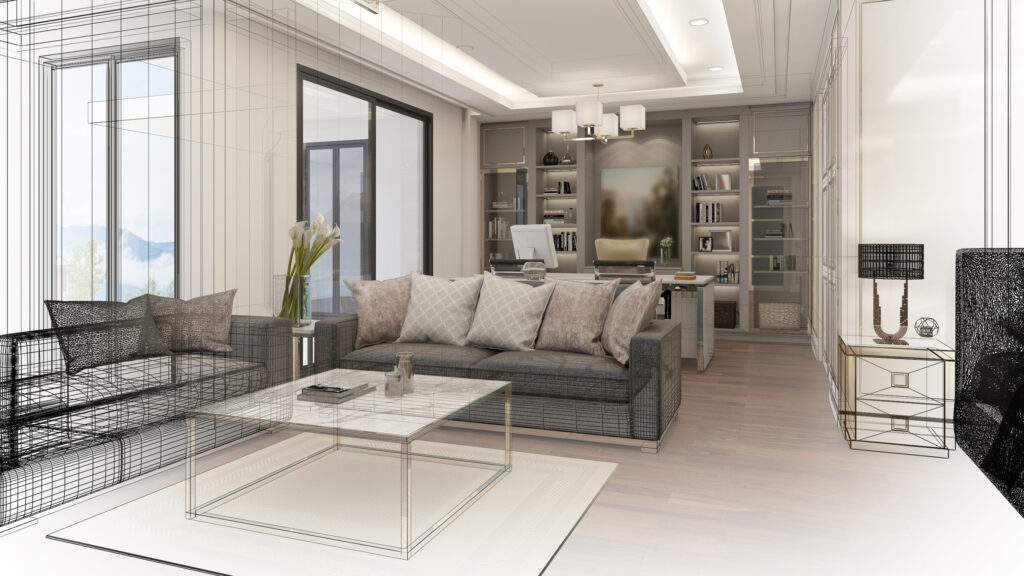
Detailed planning and visualisation before construction helps minimise uncertainty and allows clients to make decisions with confidence earlier in the process.
Overlooking the Importance of Lighting
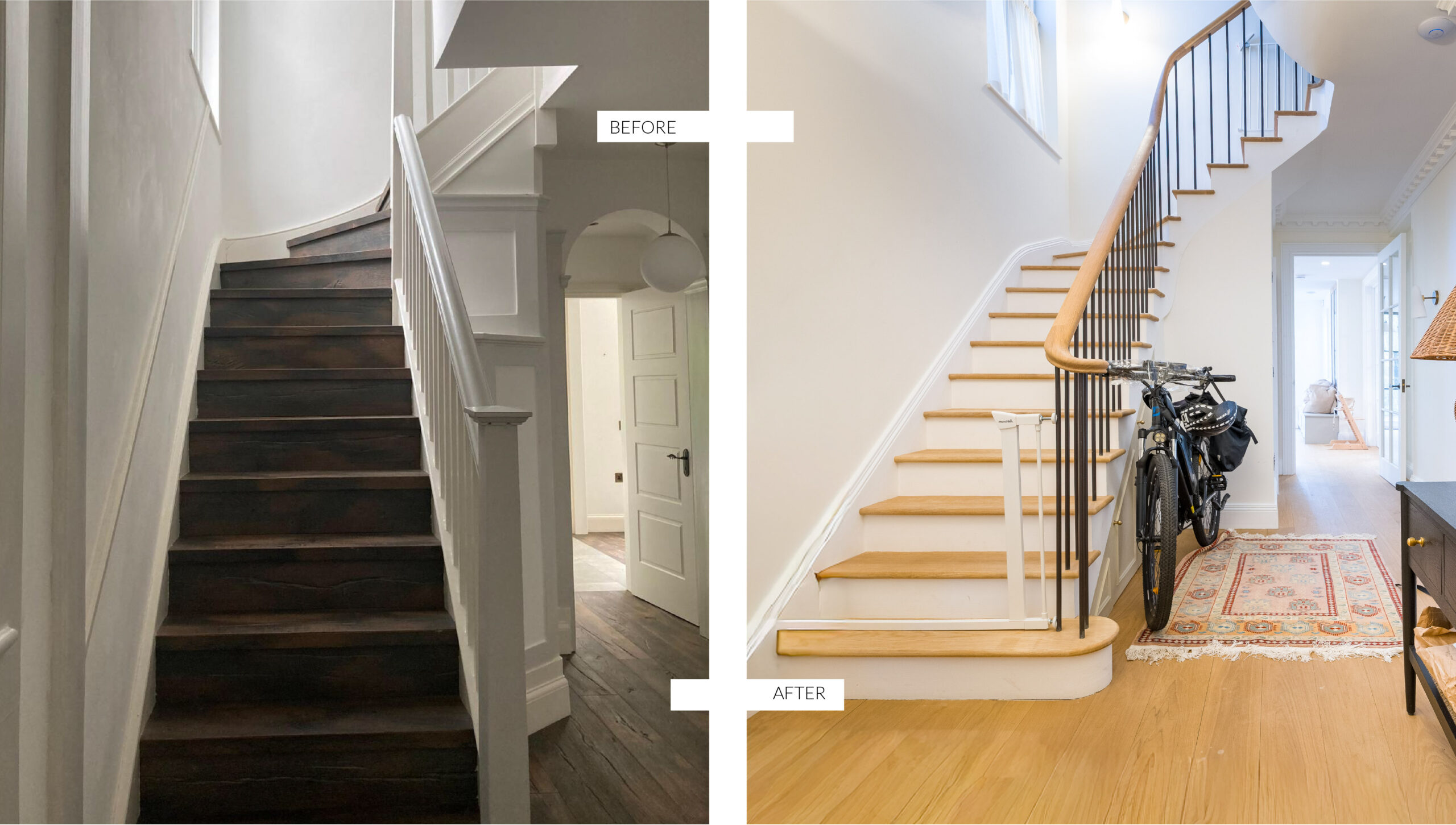
Lighting is frequently treated as a finishing touch rather than an integral part of the design.
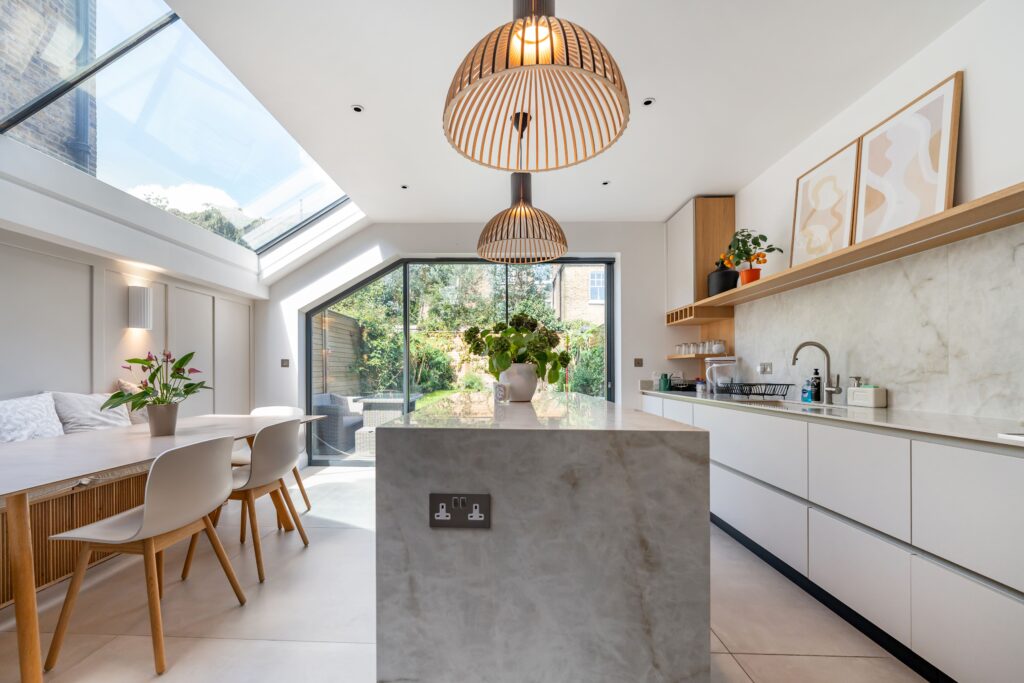
In reality, lighting has a major impact on how a space feels. The positioning of windows, skylights, artificial lighting, and material finishes all influence the atmosphere of a home.
Well designed lighting creates warmth, depth, and balance throughout a space. It should always be considered from the earliest design stages rather than added at the end.
Trying to Manage Too Many Separate Contractors
Many homeowners underestimate how complex renovations can become when architects, builders, consultants, and suppliers are all managed separately.
Without clear coordination, communication gaps can easily appear between design and construction teams, often resulting in delays or inconsistencies during the build.
A design and build approach creates a more seamless process by keeping design, project management, and construction aligned from the beginning. It also provides clients with a single point of contact throughout the project.
Forgetting About Long Term Living
Trends change quickly, but homes should be designed to last.
One of the most common mistakes is focusing entirely on short term aesthetics without considering how the property will function years into the future. Good architecture balances timeless design with practical long term living.
The most successful renovations are those that continue to feel calm, functional, and relevant long after construction is complete.
Creating a More Considered Renovation Process
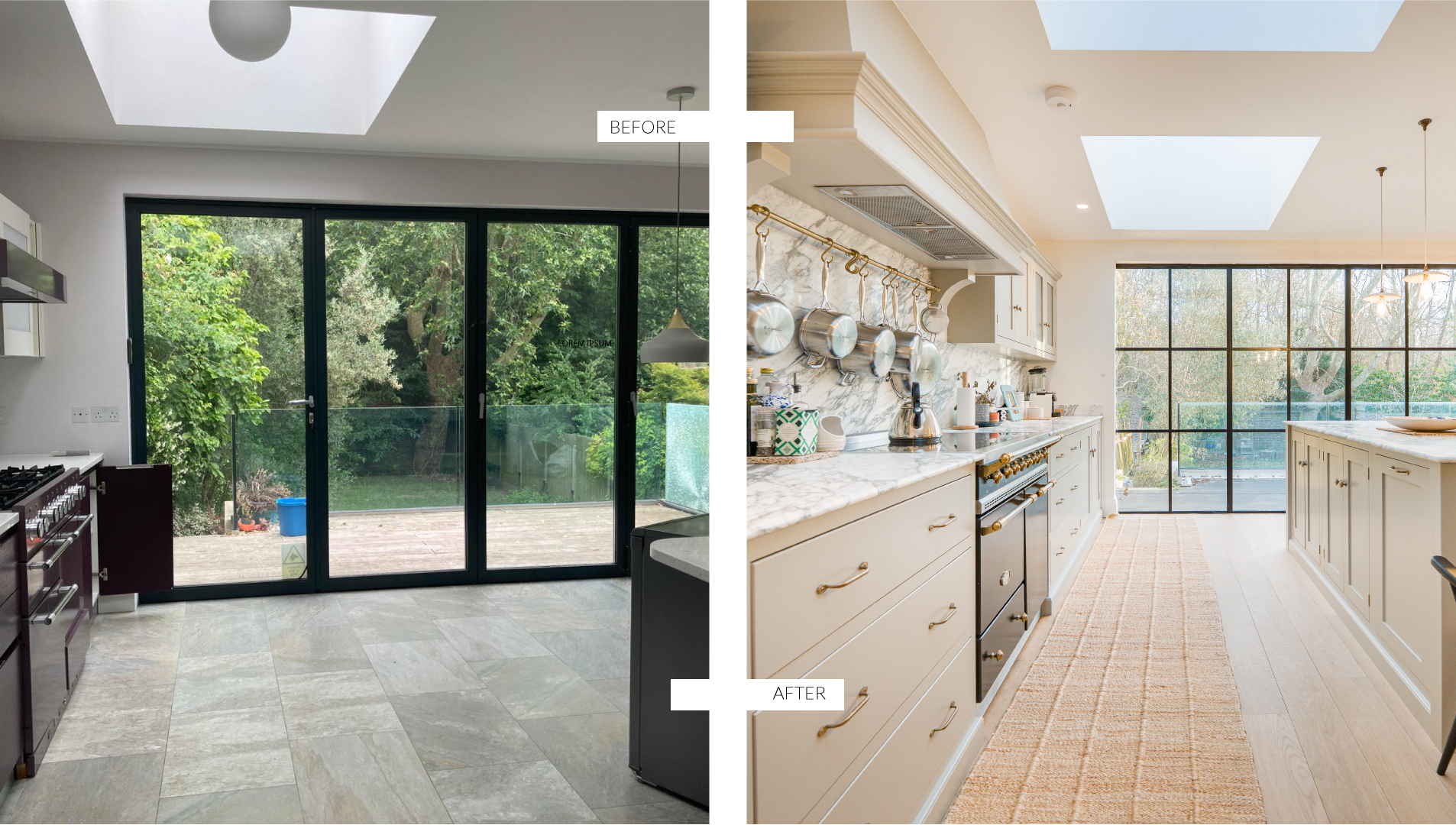
Every renovation comes with challenges, but careful planning and the right professional guidance can make the experience significantly smoother.
At RVA, we approach each project with a balance of creativity, technical knowledge, and attention to detail. From concept through to completion, our aim is to create homes that are not only visually refined, but genuinely enjoyable to live in.
A successful renovation should never feel overwhelming. With the right process in place, it becomes an opportunity to create a home that works beautifully for the way you live.
Start Your Home Renovation Journey In Dubai
Related posts